Keynote
Ernestine Hayes
Ernestine Hayes will reflect on the relevance of ancient stories to today’s challenges, focusing on lessons of our shared history and exploring the opportunities of our shared future. Through the elements in the story, A Woman Who Married a Bear, Hayes will explore indigenous intellectual authority, indigenous sciences, the validity of oral history, and the sophistication of indigenous cultures before colonial notice. Her message of indigenous cultural strength carries the reminder that the future we work towards will be one that communities share together.
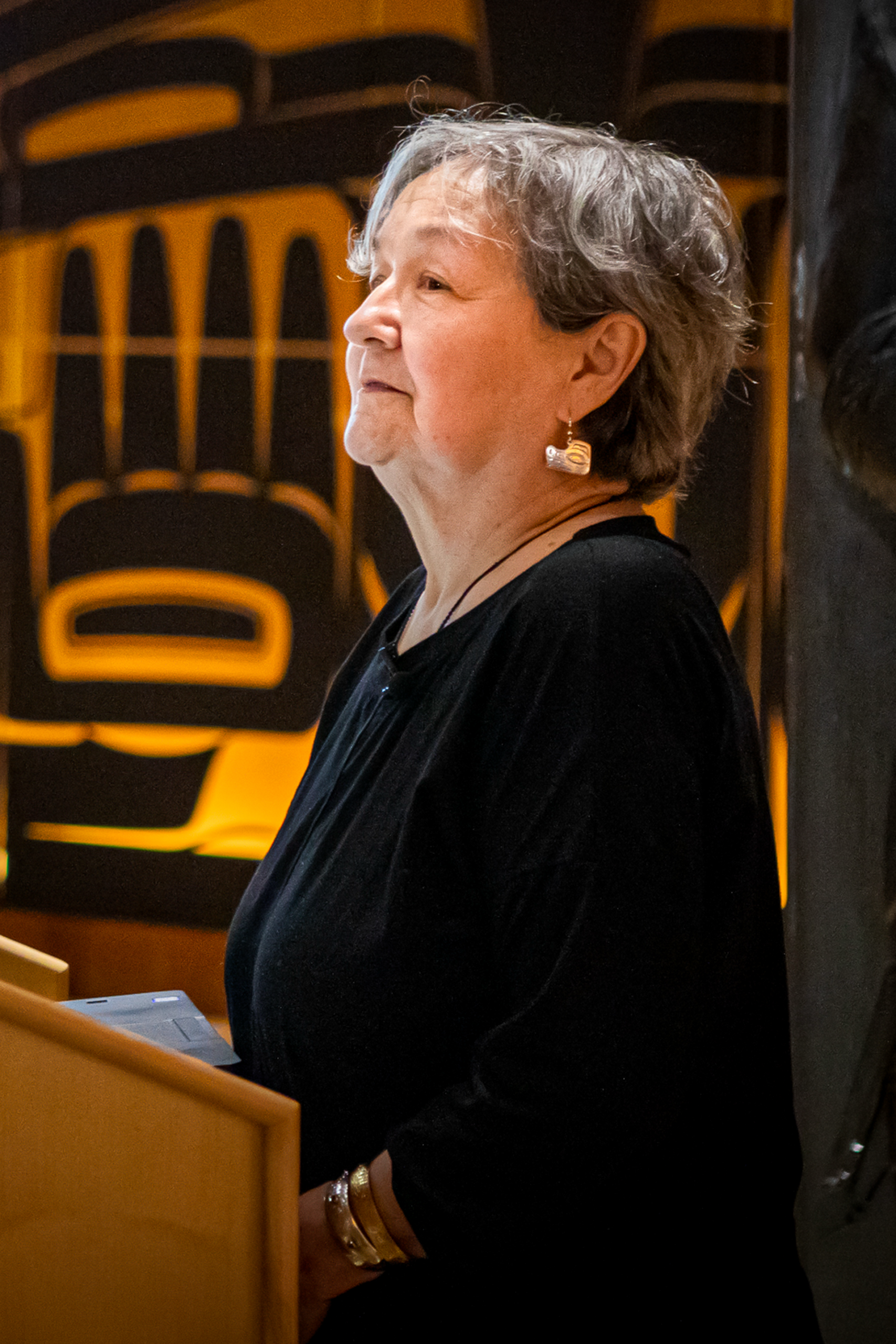
Ernestine Hayes belongs to the Kaagwaantaan clan of the Tlingit nation. Recipient of a Rasmuson Distinguished Artist Award (2021), United States Artists Fellowship (2023), Luce Indigenous Knowledge Fellowship (2024), and Alaska Writer Laureate 2016-2018, Hayes’ works include Blonde Indian, an Alaska Native Memoir, The Tao of Raven, essays and poetry in Studies in American Indian Literature, Yellow Medicine Review, Wicazo Sa Review, and Waterstone Review, as well as other journals and anthologies.
She has been invited speaker at events for Native Arts and Culture Foundation, Power and Privilege Symposium, Alaska Can! Education Conference, Princeton University Museum Symposium, Native Movement JustTransition, Indigepalooza, and other venues.
University of Alaska professor emerita, Hayes makes her home in Juneau not far from the Juneau Indian Village where she was born.
Featured Speaker Panel
Equitably and Joyfully Braiding Epistemologies in Science and Science Education
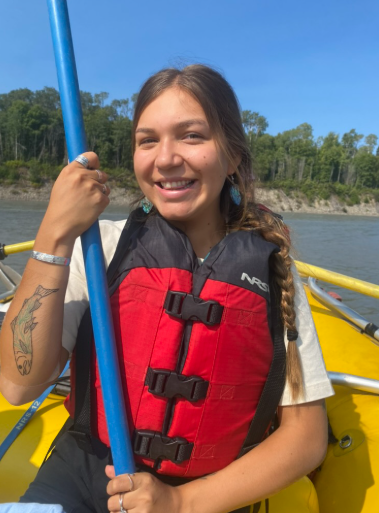
Culturally-responsive teaching across multiple ways of knowing begins with knowing yourself — including your cultural, personal, and pedagogical roots. Dr. Lauren Eckert (settler conservation scientist) and Nasya Moore (Nisga'a and Leq'a:mel scientist and educator)—both affiliated with the Centre for Indigenous Fisheries at UBC—will reflect on positionality, reflexivity, and equitable approaches to weaving Indigenous and Western knowledges. Together, they will share what these approaches look like in practice across scientific research and education: through land-based learning, youth science camps, graduate classrooms, and hands-on activities participants can bring back to their own classrooms.
Dr. Lauren Eckert

Nasya Mo’osk’im gibuu Moore